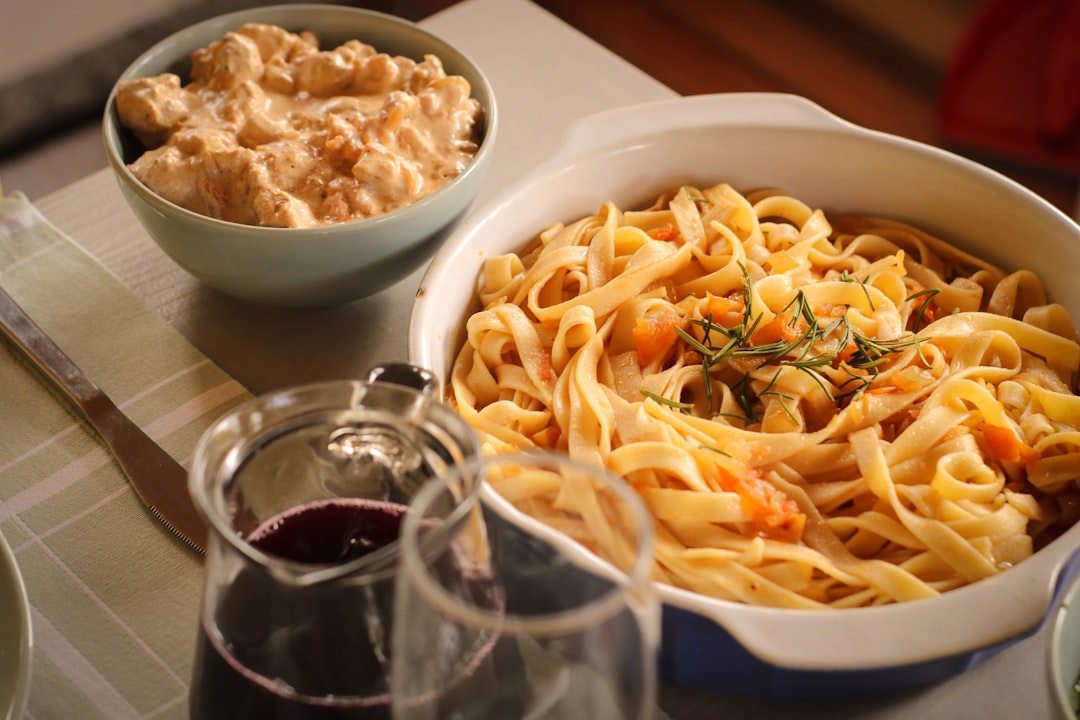
Checklist for Perfect Pasta and Sauce Combinations

Checklist for Perfect Pasta and Sauce Combinations

Introduction to Perfect Pasta and Sauce Pairings

Overview of the importance of pairing pasta shapes with traditional Italian sauces for culinary perfection.

When it comes to classic Italian pasta sauces, the stars are often Bolognese and Cacio e Pepe. Let's start with Bolognese. This hearty meat sauce isn't just ground beef thrown into tomatoes. It's a slow-cooked symphony of flavors. Traditionally, it's made with a mix of beef and pork, sometimes veal, sautéed with onions, carrots, and celery. Wine and milk join in later. Simmer it for hours. It matters because the longer you cook it, the deeper the flavor. Common mistake? Rushing it. If you don't let it simmer, you miss out on that rich, complex taste. Serve it with tagliatelle or pappardelle, not spaghetti. Wider noodles hold the sauce better.

Key Points on Pasta and Sauce Pairings

  • Bolognese pairs best with tagliatelle or pappardelle due to their ability to hold the sauce.
  • Cacio e Pepe requires Pecorino Romano and freshly cracked black pepper for authentic flavor.
  • Saving pasta water is essential for achieving a creamy sauce in Cacio e Pepe.
  • Patience and precision are crucial in mastering these classic Italian sauces.

Now, Cacio e Pepe. It's simplicity at its best. Just cheese and pepper, but don't be fooled. It's all about technique. Pecorino Romano and freshly cracked black pepper are the key players. The trick is in the pasta water. Save some of that starchy water to create a creamy sauce. If you skip this step, you end up with a clumpy mess instead of a silky delight. Anyone curious about gourmet pasta sauce pairings and recipes can learn a lot from the insights shared.. Toss it with tonnarelli, or spaghetti if you must. It's a classic example of how a few ingredients can transform into something extraordinary if you do it right.

Both sauces represent the heart of Italian cooking. They're about patience, precision, and respect for ingredients. Master these, and you've got two timeless recipes in your culinary arsenal. No need for fancy gadgets or elaborate steps. Just good, honest cooking.
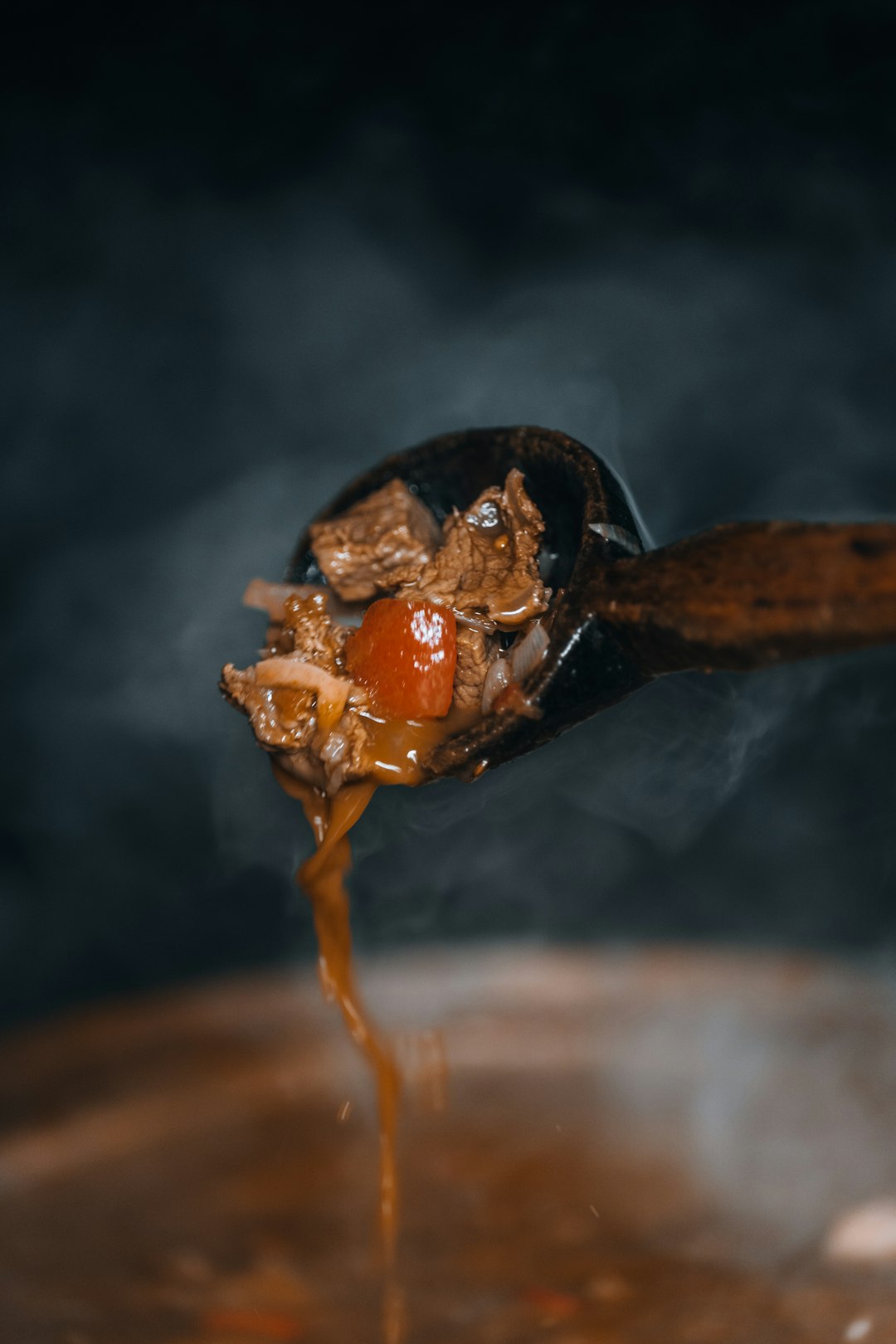
Classic Italian Sauces

Explore traditional sauces like Bolognese, Cacio e Pepe, and Alfredo, emphasizing their origins and key ingredients.

When it comes to classic Italian sauces, two names stand out: Bolognese and Cacio e Pepe. Bolognese, a rich meat sauce originating from Bologna, is all about depth. You want to cook it low and slow. Think hours, not minutes. The key here is to layer flavors. Start with a soffritto, which is just a fancy way of saying diced onions, carrots, and celery. Cook them until they're soft. Then, add your meats—usually a mix of beef and pork. Let it brown. This step is crucial for developing that deep flavor.

Key Ingredients and Techniques

  • Bolognese: Soffritto, beef and pork mix, tomatoes, wine, milk
  • Cacio e Pepe: Pasta, Pecorino Romano cheese, black pepper, pasta water

Next, you'll add tomatoes, wine, and a bit of milk. Yes, milk. It helps tenderize the meat and gives the sauce a velvety texture. Let it simmer for a couple of hours, stirring occasionally. The result? A hearty sauce that's perfect with tagliatelle or any wide pasta that can hold its weight.

Now, Cacio e Pepe is a different beast. It's simplicity at its finest: just pasta, Pecorino Romano cheese, and black pepper. But don't be fooled by the short ingredient list. The challenge lies in the execution. The pasta water is your secret weapon here. After cooking your pasta, save some of that starchy water. It's what helps create a creamy sauce when mixed with grated cheese and freshly cracked pepper. Timing is everything. Mix it all while the pasta is hot, or you risk clumping. This sauce is best paired with spaghetti or tonnarelli, allowing the creamy cheese and pepper to cling to every strand.

Get these basics right, and you're on your way to mastering these Italian classics.

The Art of Pairing Pasta with Sauce

Guidelines for matching sauce types with pasta shapes, enhancing texture and flavor harmony.

When it comes to classic Italian pasta sauces, the basics matter. Let's dive right in. Bolognese, a rich meat sauce, isn't just about tossing beef into tomatoes. It's a slow process. Ground beef, pork, maybe even veal, browned for depth. Then, a mirepoix-onions, carrots, celery-sweated to bring out sweetness. Add tomatoes, wine, and a splash of milk. Simmer for hours. Why? It melds flavors, breaks down meat to a tender consistency. Common mistake? Rushing it. An hour won't cut it. Patience is key.

Key Facts about Pasta Sauces:

  • Bolognese requires slow cooking to develop depth and tenderness.
  • Cacio e Pepe relies on starchy pasta water for a creamy emulsion.
  • Attention to detail is crucial for both sauces.

Now, Cacio e Pepe. Sounds simple. Cheese and pepper. But execution? That's where many go astray. Pecorino Romano, finely grated, and black pepper, freshly cracked. The trick is the pasta water. It's starchy, helps the cheese emulsify into a creamy sauce. Too much water, and it's a soup. Too little, and the cheese clumps. Balance is everything. Stir quickly, off the heat, to avoid stringy cheese.

These sauces are classics for a reason. They showcase the power of fundamental techniques and quality ingredients. Bolognese isn't just a topping; it's a dish that tells a story of slow cooking. Cacio e Pepe speaks to the beauty of simplicity. Both require attention to detail. Ignore that, and you miss the magic. But get it right, and you're not just making pasta. You're creating something timeless.

Bolognese Sauce and Tagliatelle

Discussion on the robust texture of Bolognese and its ideal pairing with tagliatelle for optimal absorption and taste.

When it comes to classic Italian pasta sauces, Bolognese is a staple. This meat-based sauce, originating from Bologna, is a slow-cooked mixture of minced beef, tomatoes, onions, and sometimes carrots and celery. The key to a perfect Bolognese is time. Let it simmer for hours, allowing the flavors to meld together. Many people rush this step, but patience is crucial. The sauce should be thick, not watery, which is a common mistake. If you don't let it reduce properly, the sauce won't cling to the pasta as it should.

Key Facts about Bolognese and Tagliatelle

  • Bolognese sauce is best when simmered for hours to allow flavors to meld.
  • Tagliatelle's wide, flat noodles are ideal for holding the meat sauce.
  • Spaghetti is not recommended as it doesn't hold the sauce well.

Pair Bolognese with tagliatelle. Why? Because the wide, flat noodles are perfect for holding onto the meat sauce, ensuring each bite is full of flavor. Avoid using spaghetti, as it doesn't hold the sauce as well, leading to a less satisfying dish.

Now, let's talk about Cacio e Pepe, another classic. This Roman dish is simplicity at its finest: just pasta, Pecorino Romano cheese, and black pepper. Seems easy, right? But the trick is in the technique. The cheese must be finely grated and mixed with a bit of pasta water to form a creamy sauce. If the water is too hot, the cheese will clump instead of creating a smooth coating. Use tonnarelli or spaghetti for this dish, as their texture works well with the creamy sauce.

Understanding the history and technique of these sauces not only enhances your cooking but also connects you to Italian culinary traditions. So, take your time, choose the right pasta, and transform a simple meal into an authentic Italian experience.

Cacio e Pepe with Spaghetti

Insight into the simplicity and depth of Cacio e Pepe, perfectly clinging to spaghetti or tonnarelli.

Cacio e Pepe is a Roman classic that's deceptively simple yet incredibly rich in flavor. You've got cheese, pepper, pasta—three ingredients, but they need your attention. Pecorino Romano is the cheese you want. It's sharper than Parmesan and melts beautifully, which is crucial. Freshly cracked black pepper, not the pre-ground stuff, brings out the best in this dish. You need spaghetti for this one; its smooth texture is perfect for the creamy sauce. The trick is to use pasta water. It's starchy and binds the cheese and pepper into a glossy sauce. Don't rush it. If you don't get the water-to-cheese ratio right, you'll end up with clumps instead of a creamy sauce.

Key Ingredients for Cacio e Pepe

  • Pecorino Romano cheese
  • Freshly cracked black pepper
  • Spaghetti
  • Pasta water

Then there's Bolognese, a hearty meat sauce from Bologna that's often misunderstood. It's not just tomato and ground beef. It's a slow-cooked symphony of flavors. Start with a soffritto—onion, celery, carrot—sautéed until soft. Add ground beef and pork for depth. Milk is a must. It tenderizes the meat and adds richness. Tomatoes come next, but not too much. It's not a tomato sauce. Simmer it for hours. That's where the magic happens. Tagliatelle is your pasta here. It's broad enough to handle the dense sauce. Skip the spaghetti; it won't do justice to the Bolognese.

These aren't just recipes; they're techniques honed over centuries. Get these right, and you're not just cooking pasta but creating an Italian experience.

Pesto with Trofie or Fusilli

Examine how the rich herbs in pesto complement twisted shapes like trofie or fusilli, capturing sauce in every curve.

When it comes to traditional Italian sauces, two classics immediately come to mind: Bolognese and Cacio e Pepe. Bolognese, originating from Bologna, is a rich, meat-based sauce that's perfect for long pasta like tagliatelle. The sauce is all about layers of flavors. Start with a mirepoix-onions, carrots, celery-then add ground meat, usually beef or pork, sometimes both. Cook it slowly, let it simmer for hours, allowing the flavors to meld. Don't rush it. Use good-quality canned tomatoes and a splash of wine for acidity. The mistake many make is rushing the process or using too much tomato, which overpowers the meat.

Key Points about Italian Sauces

  • Bolognese is a meat-based sauce ideal for long pasta like tagliatelle.
  • Cacio e Pepe requires emulsifying cheese with pasta water for a creamy texture.
  • Both sauces emphasize the importance of respecting traditional methods.

Then there's Cacio e Pepe, a Roman classic. It's all about simplicity, yet it requires precision. Just three ingredients: Pecorino Romano, black pepper, and pasta. But here's the catch-you need to emulsify the cheese with the starchy pasta water to form a creamy sauce. The common pitfall? Adding cheese too quickly or not enough water, leading to clumps. Use spaghetti or tonnarelli for the best result.

These sauces are staples in Italian cuisine, offering a glimpse into Italy's culinary history. Getting them right means respecting their origins, understanding the nuances. They're not just recipes; they're traditions passed down through generations. So, take your time, pay attention to the details, and you'll end up with sauces that elevate your pasta dishes to something truly special.

Alfredo Sauce and Fettuccine

Analysis of the creamy Alfredo's smooth coating effect on flat, long pasta like fettuccine.

When it comes to classic Italian pasta sauces, there's a lot to unpack. Let's start with Bolognese. This sauce isn't just about ground meat and tomatoes tossed together. It's a slow-cooked masterpiece. You need to simmer it for hours, letting the flavors meld. Use a mix of beef and pork for depth, and don't skimp on the soffritto—that's onions, carrots, and celery. Many forget this step, and it makes all the difference.

Now, for Cacio e Pepe. Simplicity at its finest, but don't be fooled. It requires precision. Pecorino Romano cheese and black pepper are your stars here. The trick? Grate the cheese finely and mix it with hot pasta water to create a creamy sauce. Clumpy cheese is a common issue, so stir quickly and consistently. Timing is crucial.

Key Points About Italian Pasta Sauces:

  • Bolognese requires a slow cooking process and a mix of beef and pork.
  • Cacio e Pepe relies on finely grated Pecorino Romano and precise timing.
  • Both sauces emphasize the importance of respecting traditional methods.

These sauces aren't just recipes; they're tradition. Bolognese hails from Bologna, and every Italian nonna has her secret touch. Cacio e Pepe, on the other hand, is a Roman staple, known for its minimalistic yet bold flavor profile. Both of these sauces demand respect for the ingredients and the process. Rushing through or skipping steps means missing out on the authentic experience.

For the amateur chef, understanding these sauces is key to mastering Italian cooking. It's about patience and precision. You can't just throw ingredients together and hope for the best. Each step matters, each ingredient plays a role. Get them right, and you're not just cooking; you're connecting with a rich culinary history.

Tomato-Based Sauces and Penne

Understanding the versatility of tomato sauces, often best paired with penne for adaptability and flavor absorption.

When it comes to classic Italian sauces, Bolognese and Cacio e Pepe are essentials. Bolognese, a rich meat sauce, originates from Bologna, Italy. It's not just a simple tomato sauce with ground beef. Authentic Bolognese is a slow-cooked mix of beef, pork, and sometimes pancetta, simmered with onions, carrots, celery, and a touch of tomato paste. Add milk or cream towards the end for that silky texture. It's best paired with tagliatelle, not spaghetti, as the wider noodles hold the sauce better.

Key Points to Remember:

  • Authentic Bolognese requires slow cooking for at least two hours.
  • Cacio e Pepe relies on the proper emulsification of cheese and pasta water.
  • Using the right pasta shape enhances the dish's flavor and texture.

Then there's Cacio e Pepe, which translates to "cheese and pepper." It's deceptively simple but requires technique. It's just Pecorino Romano cheese and freshly ground black pepper, tossed with pasta water to create a creamy sauce without any cream. This dish shines with tonnarelli or spaghetti, where the sauce clings to the strands perfectly.

A common mistake with Bolognese is rushing the cooking process. It needs time, at least two hours, for flavors to meld. Skipping the milk or cream can lead to a sauce that's too acidic. For Cacio e Pepe, using pre-grated cheese or not enough pepper can result in a bland dish. The key is to emulsify the cheese with the pasta water properly.

These sauces matter because they're not just recipes; they're culture on a plate. Knowing how to prepare them means respecting tradition and understanding why certain pasta shapes work best. It's an art that elevates your cooking game and brings a bit of Italy to your kitchen.

Tips for Homemade Pasta

Practical advice for crafting fresh pasta at home to enhance the authenticity of classic sauce recipes.

Bolognese and Cacio e Pepe. Two classics that you can't ignore if you're looking to master Italian cuisine. Bolognese, from Bologna, is a rich meat-based sauce. It takes time, patience, and a bit of love. You start with a soffritto of onions, carrots, and celery. Then comes the minced beef and pork, browned just right. Add tomatoes, a splash of wine, and let it simmer for hours. The key? Low and slow. That's how you get that deep, layered flavor. Many people rush it, but rushing will leave you with a sauce that's flat and uninspiring.

Key Points for Success

  • Bolognese requires a soffritto of onions, carrots, and celery.
  • Minced beef and pork should be browned perfectly.
  • Simmer the Bolognese sauce for hours to develop flavor.
  • Cacio e Pepe relies on finely grated Pecorino Romano and black pepper.
  • Mix cheese with hot pasta water to achieve a creamy consistency.

On the other hand, Cacio e Pepe is all about simplicity. Pecorino Romano cheese and black pepper. That's it. But don't be fooled by its simplicity. Balancing these two ingredients can be tricky. The cheese must be finely grated, mixed with the hot pasta water to form a creamy sauce. Too much heat and you get clumps, too little and it's watery. It's a bit like walking a tightrope, but when done right, it's a revelation.

Why does this matter? Because these sauces are more than just toppings. They're a part of the culture and history of Italy. They're a way to connect with Italian culinary tradition. These sauces teach us patience and precision. They remind us that sometimes, the simplest ingredients can yield the most profound flavors. And if you skip these steps or rush the process, well, you'll miss out on what makes these dishes truly special.

Frequently Asked Questions

The article features classic Italian pasta sauces like Bolognese and Cacio e Pepe, providing insights into their history and preparation.
Amateur chefs can perfect Bolognese sauce by following traditional recipes, using quality ingredients like ground beef and tomatoes, and allowing it to simmer for a rich flavor.
The key to making authentic Cacio e Pepe is using only high-quality Pecorino Romano cheese and freshly cracked black pepper, combined with pasta water to create a creamy sauce.